PBIDS is a long-standing collaboration between KEMRI, CDC, and Washington State University, helping detect disease threats before they spread and strengthening evidence-based public health action in Kenya.
The Population-Based Integrated Disease Surveillance (PBIDS) platform is Kenya’s frontline defense against emerging health threats. Since 2006, it has provided the “ground truth” on disease burden in both rural (Asembo) and urban (Kibera) settings.
The mandate goes beyond counting cases. PBIDS evaluates vaccines such as Rotavirus and PCV10, tracks antimicrobial resistance (AMR), and has expanded to Isiolo to monitor zoonotic diseases at the human-animal interface.
PBIDS is built on core principles that help turn surveillance data into meaningful and trustworthy public health action.
Rapid sharing of findings with authorities to support fast and informed response.
Rigorous quality control and laboratory confirmation to ensure accuracy and trust.
Strong protection of participant data through secure systems and responsible data handling.
Integrated modular approaches that maximize impact while supporting efficient surveillance.
A snapshot of how PBIDS evolved into a broader surveillance system serving current and future public health needs.
KEMRI and CDC establish the Health and Demographic Surveillance System (HDSS) in rural western Kenya.
PBIDS launches in Kibera and Asembo to monitor infectious diseases in urban and rural populations.
PBIDS data helps evaluate the introduction of PCV10 and Rotavirus vaccines and demonstrate impact.
The platform pivots to become a sentinel system for SARS-CoV-2, supporting national mitigation efforts.
Expansion to Isiolo strengthens monitoring of zoonotic diseases and environmental surveillance.
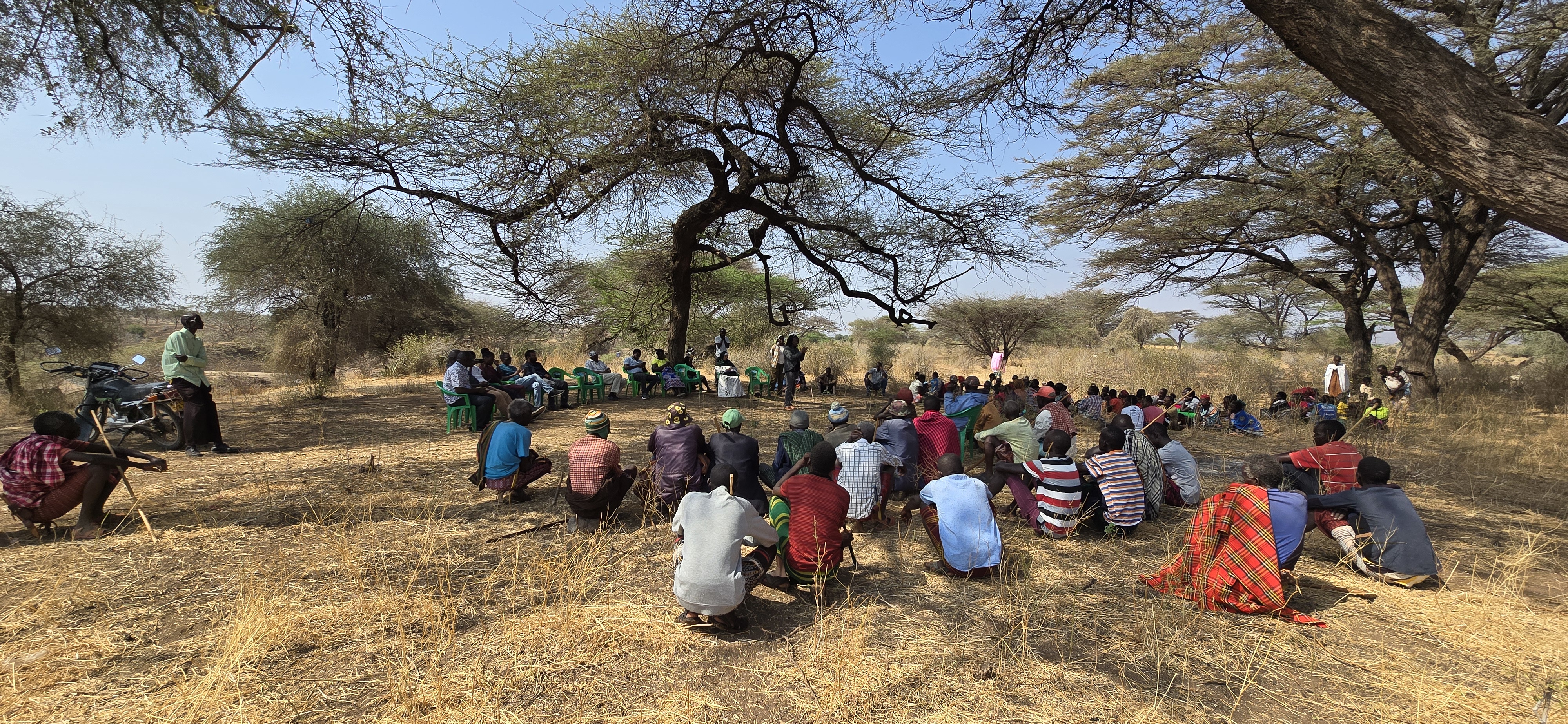
Surveillance is only possible when communities trust the system. PBIDS operates with transparency, local engagement, and active participation across all major sites.
Community confidence improves data quality, participation, and the speed of public health response.
Trusted surveillance depends on people, not just systems — and PBIDS is designed with that in mind.