Population-Based
Integrated Disease Surveillance
Detecting threats, guiding responses, and strengthening Kenya's health system through 20+ years of real-time disease surveillance data.
PBIDS — At a Glance
Population-Based Integrated Disease Surveillance (PBIDS) is Kenya's premier platform for tracking health trends, detecting outbreaks early, and combating antimicrobial resistance. PBIDS provides real-time monitoring of common and emerging illnesses—including influenza, Ebola, mpox, and COVID-19—enabling rapid public health responses and timely interventions.
For nearly 20 years, PBIDS has generated critical data to better understand the spread and impact of respiratory, diarrheal, and febrile illnesses at the local, regional, and national levels. These insights have supported the rollout of key vaccines (pneumonia, rotavirus), contributed to new vaccine development, and informed strategies against antimicrobial resistance.
PBIDS operates in seven counties across Kenya, chosen to reflect diverse health risks and environmental conditions. In 2024, the network expanded to Isiolo County and five additional "Detect" sites to improve tracking of zoonotic diseases.
Why It Matters
PBIDS in Figures
Generating critical surveillance data since 2006
Representing diverse health risks and environments
New Isiolo County site and 5 Detect locations added
Enhanced human-animal interface disease tracking
Priority Disease Areas
PBIDS monitors four categories of high-priority illness across its network of sites
Respiratory Illness
Tracking Influenza, SARS-CoV-2, RSV, and other SARI/ILI pathogens across all age groups
Febrile Illness
Monitoring Malaria, Dengue, Chikungunya, and undifferentiated fever presentations
Diarrheal Disease
Surveillance of Rotavirus, Cholera, Typhoid, and enteric pathogen transmission
Zoonotic Threats
Early detection of spillover events at the human-animal interface in high-risk areas
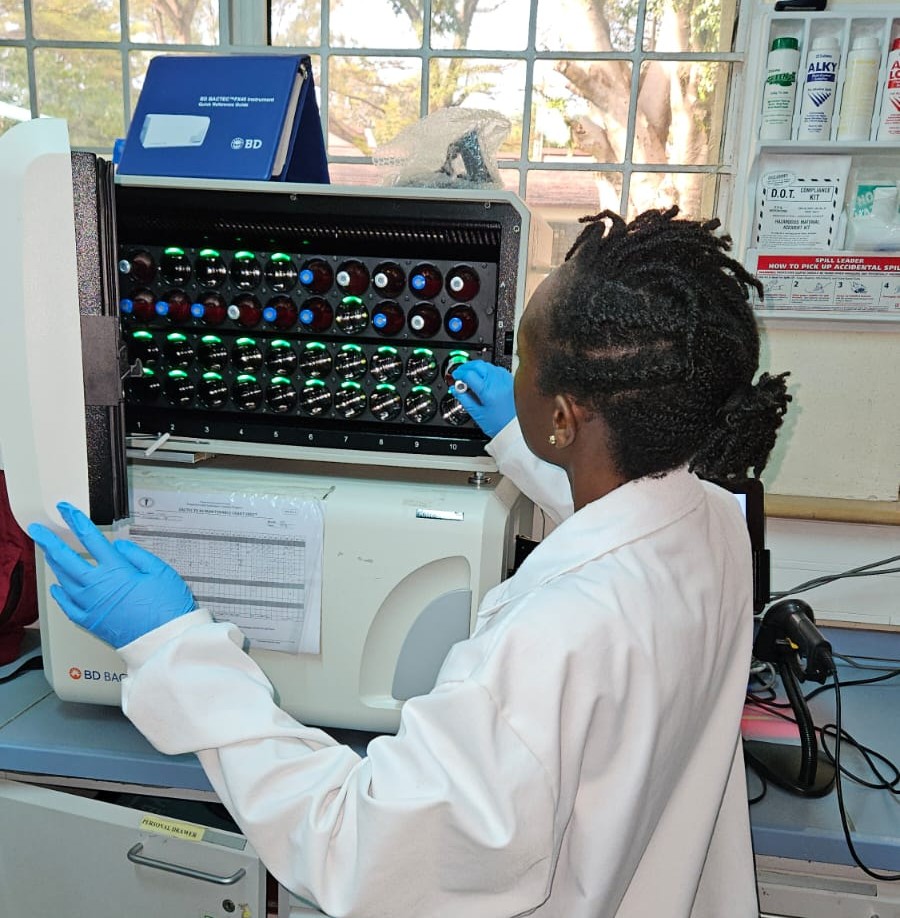
PBIDS Impact
Since its launch, the PBIDS platform has been a cornerstone of disease detection, outbreak response, and health system strengthening in Kenya. Established through a KEMRI–CDC partnership, PBIDS has grown into one of the most comprehensive disease surveillance systems in sub-Saharan Africa.
Read more about ImpactGrowing Reach, Greater Protection
As disease threats evolve, so does PBIDS. In 2024, the network expanded to Isiolo County and established five new "Detect" sites across Kenya—enhancing early detection of (re)emerging infectious diseases linked to climate change, wildlife contact, or livestock movements.
Learn about expansion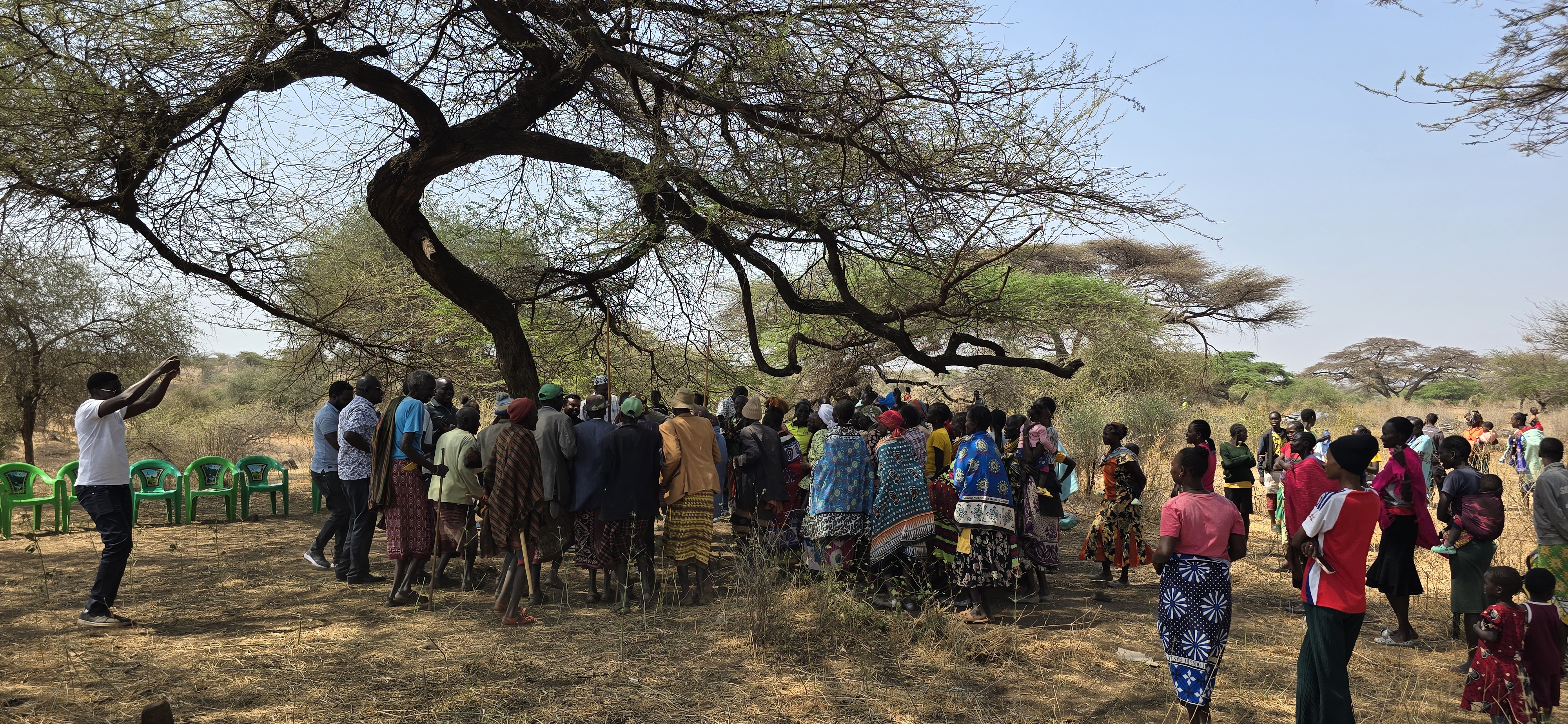
Where PBIDS Works
Click any site to zoom the map to that location
Collaborating Partners
 KEMRI
KEMRI
 Ministry of Health
 CFK Africa
 Washington State University